PORTFOLIO 6

Comparative Study on Different Types of Computers

Get Started

Best viewed on desktop or large screens (≥1200px) for full layout.

Resize the window if content looks squished; smaller screens may not show everything perfectly.

Introduction

Computers are classified based on their size, speed, storage capacity, and functionality. This comparative study examines the characteristics, specifications, and primary fields of use for six major types of computers: Supercomputer, Mainframe Computer, Mini Computer, Server, Workstation, and Microcomputer (Personal Computer). The classification reflects a progression in processing power, scale, cost, and typical application environment, a structure often discussed in computer organization and architecture studies.

Contents

Types of Computers

They range from Supercomputers for massive scientific tasks and reliable Mainframes for large enterprise transactions, to modern Servers for network services. They also include high-performance Workstations for intensive single-user jobs and everyday Microcomputers (desktops, laptops, and smartphones).

Compare and Contrast

See how Supercomputers, Mainframe Computers, Mini Computers, Servers, Workstations, and Micro Computers (PCs) compare in speed, user count, and primary functions.

References

A complete list of all academic texts, corporate documents, and online resources cited throughout this comparative analysis.

Types of Computer

Types of Computers

Types of Computers Name/Brand (Example) CPU Memory (Size and Speed) Processing Speed (Calculation Power) Working Principle Energy Consumption Field of Use (Example Scenario)
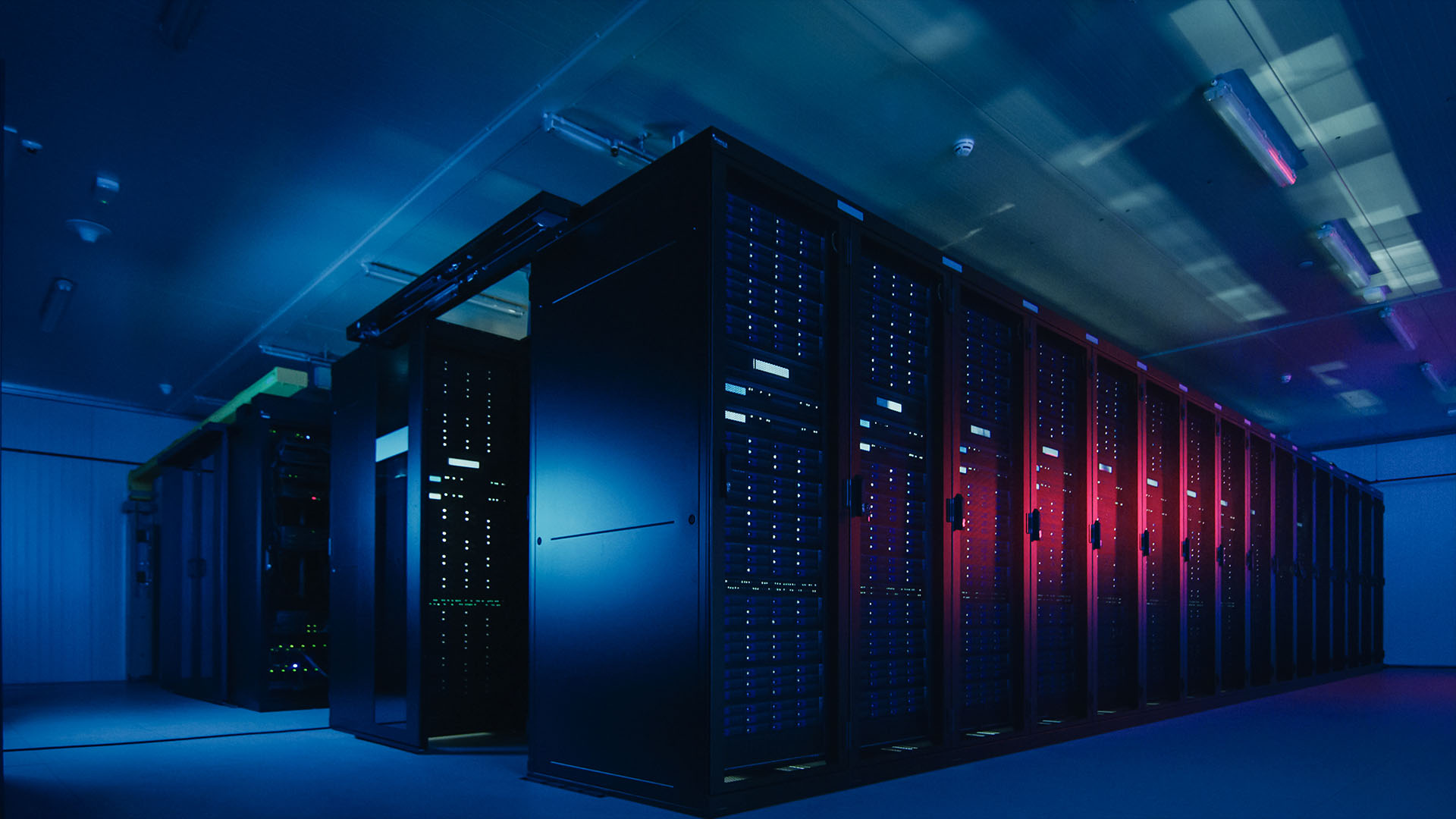
Supercomputer Fugaku (Fujitsu/RIKEN) Highly parallel custom processors (e.g., thousands of ARM-based CPUs) Massive (petabytes of RAM, high-bandwidth memory) Highest (≥ PetaFLOPS to ExaFLOPS) Massively parallel processing; distributes a single complex problem across thousands of nodes (Collette, Corey, & Johnson, 2004). Extremely High (Megawatts) Weather forecasting, climate modeling, nuclear simulation, quantum physics research.
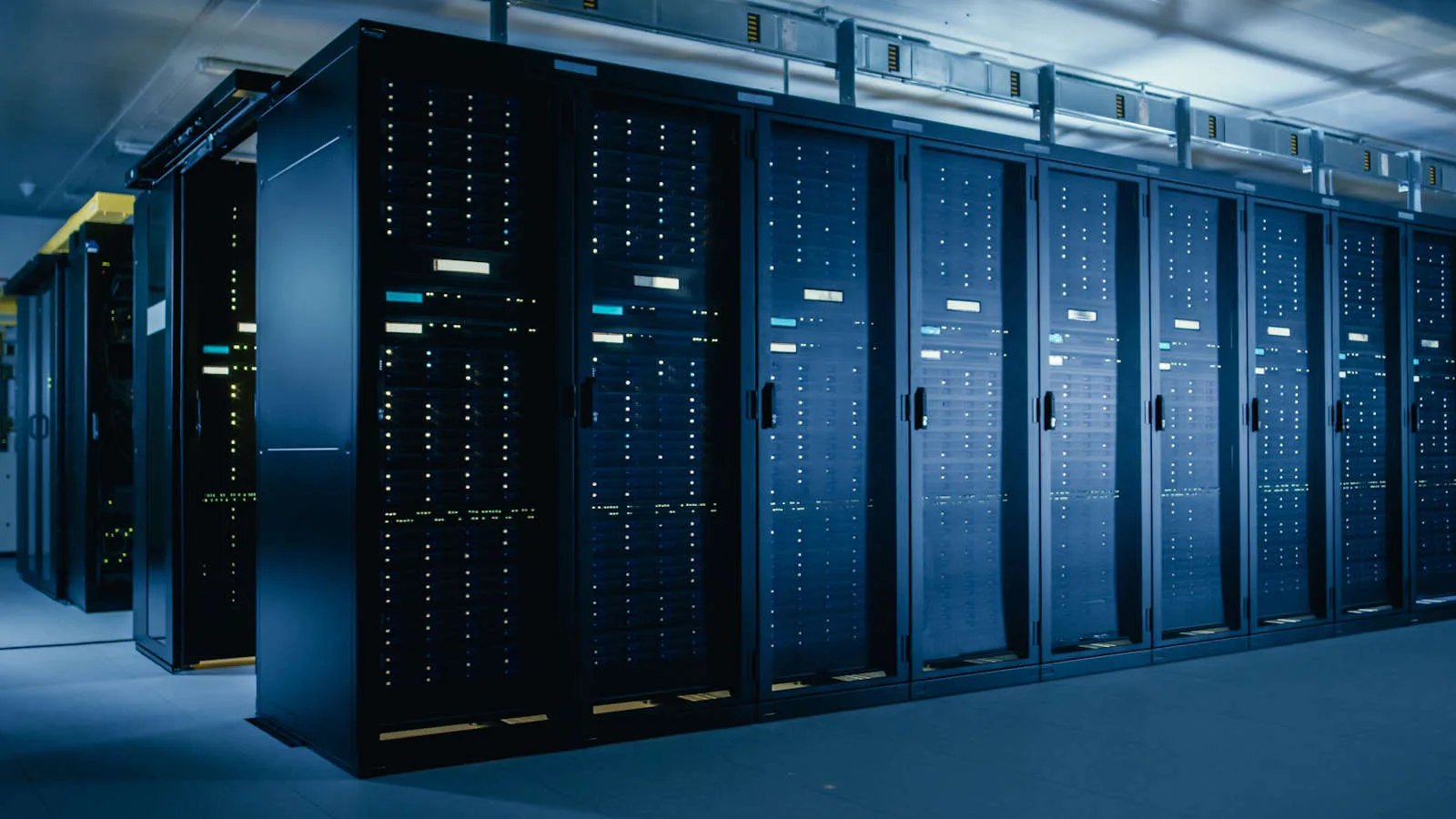
Mainframe Computers IBM z16 Multiple high-speed, specialized processor cores Very Large (Terabytes of RAM, high data transfer rates) High (Millions of Instructions Per Second - MIPS/High Transaction Rate) Centralized, multi-user, and multitasking; processes massive transaction volumes with high reliability (IBM, 2023). Very High (Requires specialized cooling) Large-scale transaction processing (banks, airlines, insurance), government census data.
Mini Computers DEC PDP-11 (Historical) Multiple processors (multi-user systems) Moderate to Large (Hundreds of MB to a few GB - historical) Medium (Lower MIPS than mainframes) Multi-user, time-sharing system for departmental tasks and process control. High (Less than Mainframe, more than Micro) Departmental servers, process control (factory automation), laboratory research (Historical).
Server Dell PowerEdge, HP ProLiant Multi-core, high-thread count processors (e.g., Intel Xeon, AMD EPYC) Large (Hundreds of GB to terabytes of ECC RAM) High (Optimized for concurrent tasks and network throughput) Dedicated to providing network services (data, web, email, application hosting) and managing resources for clients. High (Designed for 24/7 operation) Web hosting, corporate email service, enterprise database management, cloud computing infrastructure.
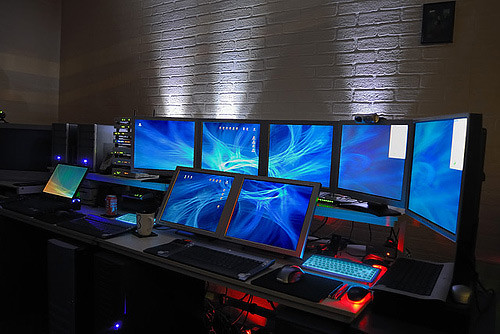
Workstations Dell Precision, HP Z-Series High-performance CPU (e.g., Intel Core i9, Xeon, AMD Threadripper) & powerful GPU Large (32 GB to 256 GB+ of fast RAM, often ECC) Very High (Optimized for single-user, computation-intensive tasks) High-speed, single-user system focused on complex calculations, rendering, and visual processing. Moderate to High (Needs significant cooling) Computer-Aided Design (CAD), 3D animation/rendering, complex video editing, software development.
Micro Computers Apple MacBook Pro, Custom Desktop PC Single or multi-core consumer-grade CPU (e.g., Intel Core i5/i7, AMD Ryzen 5/7) Small to Moderate (8 GB to 64 GB of standard RAM) Moderate (Optimized for general productivity and multimedia tasks) Single-user system executing a variety of applications based on stored instructions (Von Neumann architecture) (Tanenbaum & Austin, 2013). Low to Moderate (Varies by form factor/load) Home use, office productivity (word processing, email), education, gaming, web browsing.

Compare and Contrast

Compare and Contrast

Feature Mini Computer Micro Computer (PC) Workstation Server
Processing Speed Medium. Multi-user, but historically slower than modern equivalents. Moderate. Optimized for single-user response time. Very High. Optimized for intensive single-user computations (e.g., rendering). Very High. Optimized for high throughput and many concurrent tasks/users.
Memory Capacity Moderate to Large (for its era). Small to Moderate (8GB–64GB). Large (32GB–256GB+). Often uses ECC RAM. Largest (Hundreds of GB to Terabytes). ECC RAM is standard.
Power Consumption High. Multi-user, generally left running. Low to Moderate. Designed for energy efficiency and intermittent use. Moderate to High. High-end components draw significant power under load. Highest. Designed for 24/7, continuous operation and high reliability.
Minimum User Multi-user (5–50 users). Single-user. Single-user (though often networked). Multi-user (hundreds to thousands of clients).
Usage Departmental computing, real-time industrial control, small data centers (Historical). General productivity, entertainment, education, web browsing, basic office tasks. Professional design, complex simulation, video/audio production, scientific computation. Centralized resource hosting (web server, file server, application server, cloud infrastructure).

References

Cheng, Y. (2023). Application of Virtualization Technology in University Data Centers.
International Journal of New Developments in Engineering and Society, 7(6), 1–5.

Collette, M., Corey, B., & Johnson, J. (2004). High Performance Tools & Technologies.
Lawrence Livermore National Laboratory, U.S. Department of Energy.

Hennessy, J. L., & Patterson, D. A. (2019). Computer Architecture: A Quantitative Approach (6th ed.).
Morgan Kaufmann.

IBM. (2023). What Is a Mainframe? The history, evolution, and future of enterprise servers.
IBM Corporate Archives and Documentation.

Stallings, W. (2018). Computer Organization and Architecture: Designing for Performance (11th ed.).
Pearson Education.

Tanenbaum, A. S., & Austin, T. M. (2013). Structured Computer Organization (6th ed.).
Pearson Education.

TechTarget. (n.d.). The evolution of minicomputers into servers and mid-range systems.
TechTarget Enterprise Architecture Documentation.

ABOUT ME

Me

Hi! Im Alfer

I’m a first-year IT student from Block A with a strong interest in programming and web development. This portfolio was originally assigned as a PowerPoint presentation, but I decided to create a website instead so I could practice my skills in HTML, CSS and JS. Building it gave me the chance to apply what I’ve been learning while also showcasing my work in a more interactive way. I enjoy challenging myself with new projects like this and look forward to growing as a developer.

alfzmercado240@gmail.com